
Slow Fashion vs Fast Fashion: Why Your Wardrobe Deserves Better
Fast fashion built an industry on speed and low prices, but the true cost is becoming harder to ignore: overflowing landfills, exploited garment workers, and a steady erosion of traditional craftsmanship. In response, more shoppers are turning toward slow fashion, a more thoughtful approach to getting dressed that values quality, longevity, and the people behind each piece. This shift is part of a larger movement toward Sustainable Fashion India, where conscious buying choices support artisans instead of assembly lines. At Thread Counts, this philosophy isn't a trend to chase. It's the foundation everything is built on: garments designed to be worn for years, not seasons, and crafted by hands that carry generations of skill.
What is Fast Fashion?
Fast fashion is a business model built around speed: designs move from runway or trend report to store shelves in a matter of weeks, encouraging shoppers to buy frequently and cheaply. It thrives on constant novelty, low prices, and disposability, treating clothing less like an investment and more like a short-term purchase.
Why Fast Fashion Became Popular
Fast fashion rose alongside the smartphone and social media era, where trends spread overnight and shoppers wanted to keep up instantly. Brands responded by shortening production cycles dramatically, offering new collections almost weekly at prices low enough to buy on impulse. For many, it felt like an affordable way to stay stylish.
How Fast Fashion Impacts the Environment

Producing clothes this quickly comes at a steep environmental cost. Garments are often made from synthetic fibers like polyester, which shed microplastics and take decades to decompose. Overproduction leads to massive textile waste, while dyeing and finishing processes consume large volumes of water and release harmful chemicals into rivers and soil.
The Hidden Human Cost Behind Mass Production
Behind the low-price tags are often garment workers paid unfairly and working long hours in unsafe conditions. This relentless demand for speed and volume also puts pressure on traditional artisans, whose slower, skill-intensive techniques struggle to compete with mass production.
What is Slow Fashion?
Slow fashion is the deliberate opposite of this cycle, an approach that prioritizes thoughtful design, quality materials, and fair, transparent production over speed and volume. It asks a simple question before every purchase: will this piece last, and was it made responsibly?
The Philosophy Behind Slow Fashion
At its core, the slow fashion movement is about mindfulness: choosing fewer, better pieces instead of constantly chasing trends. It values durability and timelessness over disposability, encouraging shoppers to build a wardrobe of garments they'll wear for years rather than a single season.
Why Slow Fashion Values Craft Over Speed
Rather than rushing production, slow fashion gives time to the process: thoughtful pattern-making, careful sourcing of materials, and skilled craftsmanship at every stage. This unhurried approach results in ethical fashion that respects both the maker and the wearer, producing garments with genuine care behind them. It also means fewer corners are cut: fabrics are chosen for how they age, not just how they photograph, and construction is built to withstand years of wear rather than a handful of washes.
How Handmade Clothing Fits into the Movement
Handmade clothing sits naturally at the heart of slow fashion. Hand-woven fabrics, hand-block prints, and artisanal detailing carry a level of character that machine-made garments simply can't replicate. Each piece reflects the skill of the person who made it, creating an emotional value that goes beyond the garment itself, a connection between wearer and maker that fast fashion rarely offers. It's the difference between owning something and truly understanding where it came from.
Slow Fashion vs Fast Fashion: A Side-by-Side Comparison
Placed side by side, the differences between these two approaches to clothing become clear, not just in how garments are made, but in what they represent for the wearer, the maker, and the planet. The table below breaks down the core differences across production, materials, and long-term value.
| Factor | Slow Fashion | Fast Fashion |
|---|---|---|
| Production Process | Small-batch, often handmade, unhurried. | Mass-produced at high speed. |
| Materials | Natural fibers like cotton, silk, and khadi. | Often synthetic blends like polyester. |
| Craftsmanship | Skilled artisan techniques passed down generations. | Machine-driven, minimal manual skill. |
| Environmental Impact | Lower waste, biodegradable materials, mindful resource use. | High water and chemical use, textile waste, microplastics. |
| Longevity | Built to last years, ages well. | Designed for short-term wear. |
| Price vs Value | Higher upfront cost, better long-term value. | Lower upfront cost, poor cost-per-wear. |
| Buying Frequency | Fewer, more intentional purchases. | Frequent, trend-driven purchases. |
| Cultural Preservation | Supports traditional crafts and artisan livelihoods. | Often disconnected from cultural heritage. |
While fast fashion may win on upfront price, slow fashion consistently wins on value, durability, and impact, making it a smarter long-term investment for both your wardrobe and the world around it. When you factor in cost-per-wear and the years a well-made piece can stay in rotation, the price gap narrows considerably, and often reverses altogether. Viewed this way, slow fashion isn't a luxury purchase so much as a different way of budgeting for your wardrobe.
Why Indian Artisan Textiles Naturally Represent Slow Fashion

India's textile traditions have practiced the principles of slow fashion for centuries, long before the term existed. Skilled artisans across the country continue to work with techniques that prioritize craftsmanship, patience, and authenticity over speed.
Hand Block Printing

Each hand block printing design is carved by hand and stamped onto fabric one motif at a time, a meditative process that can take days to complete a single length of cloth. No two pieces are identical, making every garment a small, irreplaceable piece of craftsmanship.
Handwoven Tussar Silk

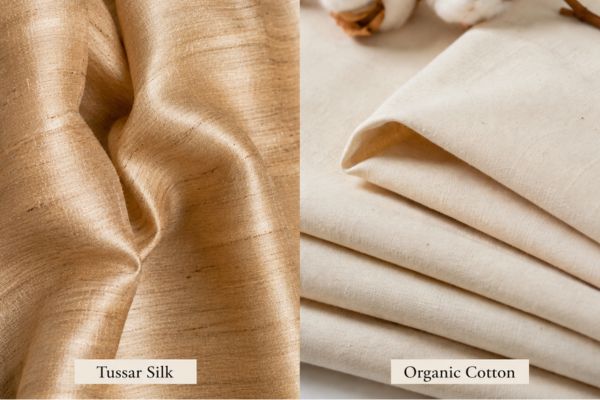
Handwoven Tussar silk reflects the same unhurried philosophy: spun from wild silk fibers and woven slowly on traditional looms, resulting in a textured, natural fabric that can't be replicated by machine production.
Banarasi Weaving Traditions

Banarasi weaving traditions can take weeks to complete a single saree, with intricate zari work requiring extraordinary patience and skill. This kind of dedication is the very definition of valuing quality over quantity fashion.
Natural Imperfections as a Mark of Authenticity
Slight variations in weave, print, or dye are not flaws; they're proof of human hands at work. At Thread Counts, these natural imperfections are embraced rather than hidden, celebrated as marks of authenticity that connect each piece back to the artisan who made it, and to a tradition of artisan fashion that mass production simply cannot imitate. In a market flooded with identical, machine-perfect garments, these small irregularities are exactly what make a piece feel personal and worth keeping.
How Consumers Can Build a Slow Fashion Wardrobe
Making the shift toward conscious clothing doesn't require an overnight wardrobe overhaul: small, consistent choices add up over time.
Buy Less, Buy Better
Instead of chasing every trend, invest in fewer pieces that are well-made and versatile. A handful of thoughtfully chosen garments will outlast and outperform a closet full of fast fashion, and often work out cheaper per wear over time.
Choose Natural Fabrics
Opt for breathable, biodegradable materials like cotton, silk, and khadi over synthetic blends. Natural fabrics tend to age better, feel better against the skin, and leave a lighter footprint on the environment across their lifetime.
Support Artisan Brands
Choosing sustainable clothing brands in India that work directly with weavers and craftspeople helps keep traditional skills alive while ensuring fair wages reach the people actually making your clothes, rather than getting lost in a long supply chain.
Care for Your Clothes
Proper washing, storage, and repair can significantly extend a garment's life. Treating clothing as something to maintain rather than replace is one of the simplest ways to practice eco-friendly clothing habits at home, and it keeps well-made pieces in your wardrobe for years longer.
Why Slow Fashion is the Future of Indian Fashion
Consumer preferences are shifting. More shoppers, especially younger generations, are asking harder questions about where their clothes come from and who made them, moving away from disposable trends toward Sustainable Fashion India that values transparency and craftsmanship. Social media, once a driver of fast fashion's rapid trend cycles, is now also amplifying stories of artisans and slow production, giving consumers more visibility into the people behind their clothes than ever before.
This growing awareness is renewing appreciation for India's textile heritage: techniques once overlooked in favor of mass production are now being recognized as genuinely valuable, both culturally and environmentally. As sustainability becomes less of a niche interest and more of an expectation, brands built around ethical production and artisan partnerships are well-positioned for the future. Slow fashion isn't a passing trend. It's a return to values Indian textile traditions have upheld for centuries: patience, skill, and respect for the maker. As this movement grows, it offers a meaningful way to celebrate and sustain the artisans and crafts that have shaped India's fashion identity for generations.
To summaries, choosing between slow fashion vs fast fashion ultimately comes down to what you want your wardrobe to represent: fleeting trends or lasting value. Slow fashion asks you to slow down, choose thoughtfully, and invest in clothing that respects both the people who make it and the planet it comes from.
Every handwoven, hand-printed, and artisan-crafted piece carries a story worth keeping. By choosing quality over quantity, you're not just building a better wardrobe, you're supporting a tradition of craftsmanship that deserves to last far beyond the next trend cycle. The next time you shop, that choice is worth pausing for.


Leave a comment
This site is protected by hCaptcha and the hCaptcha Privacy Policy and Terms of Service apply.